by Marius Petrauskas | Oct 16, 2026 | Articles
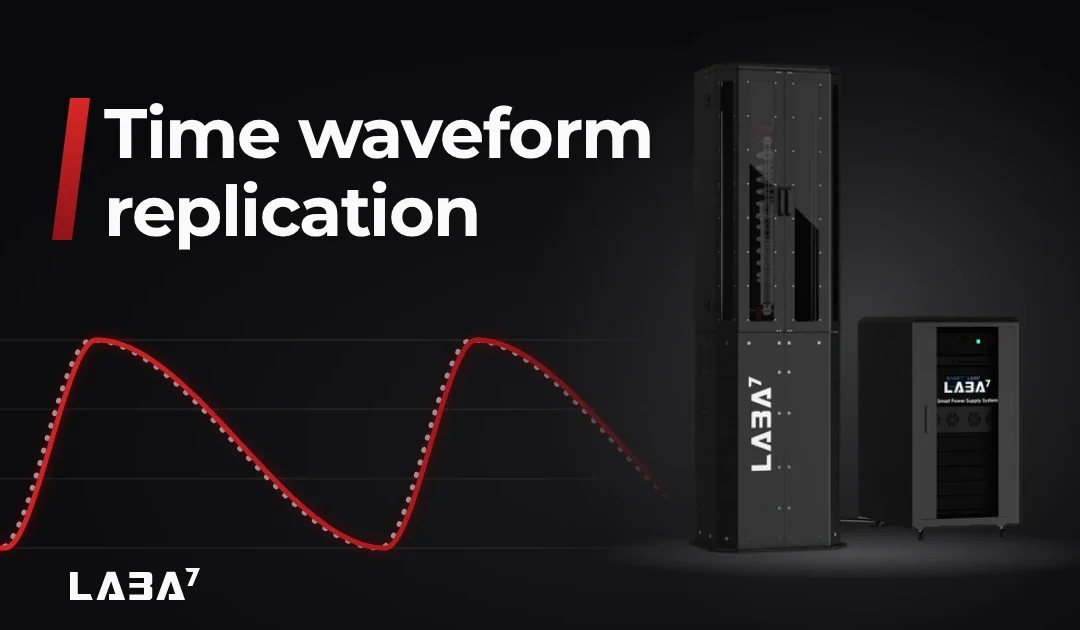
TL;DR Time waveform replication means playing recorded movement back on a test machine. Our EMA does this for dampers. On many machines, engineers correct and replay the file several times before the real test. On the EMA, the correction happens inside the controller,...
by Marius Petrauskas | Oct 12, 2026 | Articles
TL;DR: Start with force, velocity, stroke, motion type, adapters, and power&site comparison first. These criteria are your fundamentals. They will help you decide if machine is suitable for your use cases and which dampers you will be able to test at all. Then...
by Andrius Liškus | Oct 1, 2026 | Articles
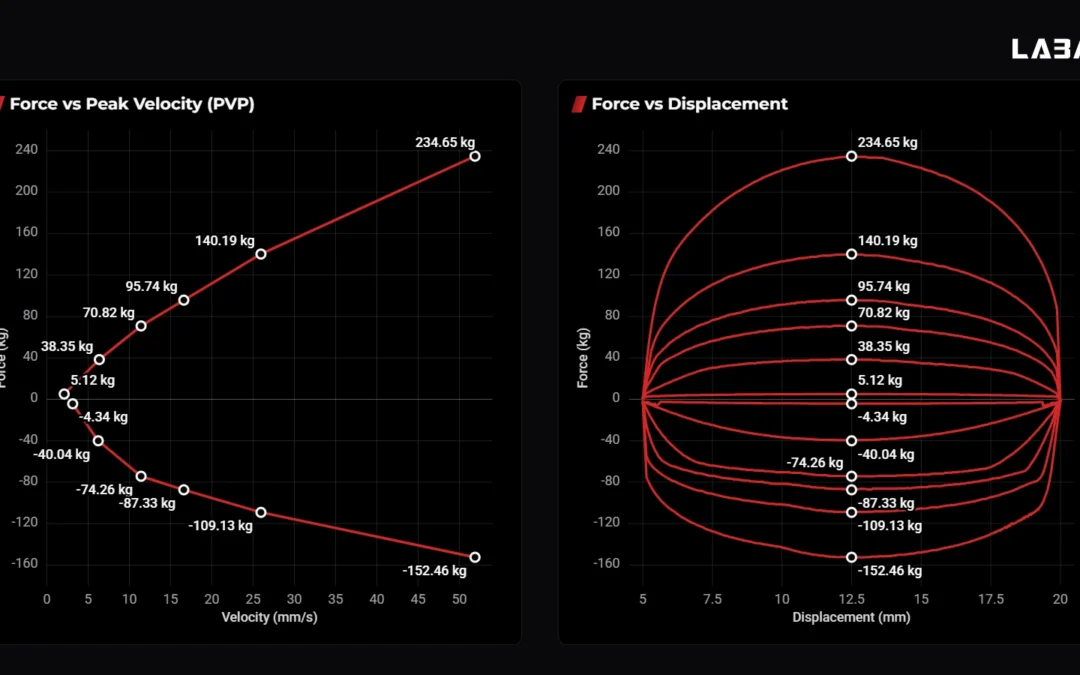
A lot of professionals still judge a shock absorber by its peak velocity plot (PVP). But relying solely on PVP alone does not show the full picture of what damper is doing. In this article we will share a few discoveries we made in the past two years. Why we look at...
by Andrius Liškus | Sep 18, 2026 | Articles
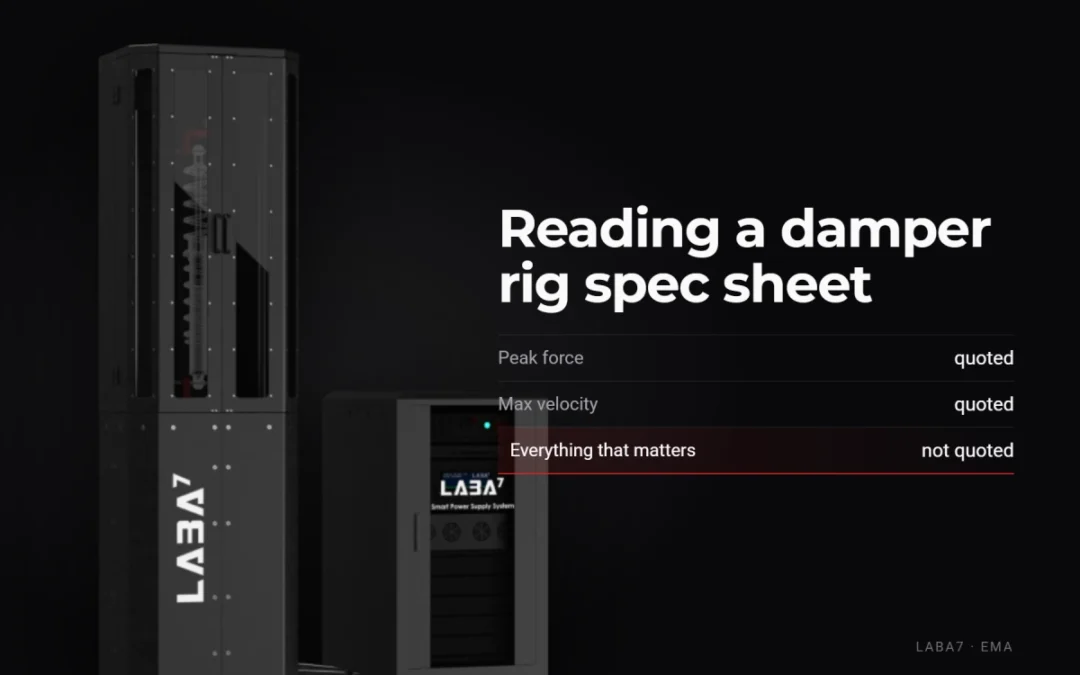
Every damper test rig brochure quotes force and velocity. Little of them mentions the things that help you decide whether you can trust the data that comes out. Here are some of the points that we learned our customers should ask. Including the questions that make our...

by Marius Petrauskas | Apr 24, 2026 | Articles
We recently came across a video by Filthy Motorsports on YouTube. In the video, it is said that shock oil straight from the jug doesn’t naturally contain air, and the viewer is led to believe that one doesn’t need a vacuum pump to prep your bulk oil before...

by Marius Petrauskas | Feb 25, 2026 | Articles
When servicing suspensions, data-driven decisions in Vehicle Suspension Repairs make the difference between amateurish and professional results. Engineering must dictate the workflow, regardless of the application: motorcycle, MTB, off-roader, racecar, helicopter, or...
