
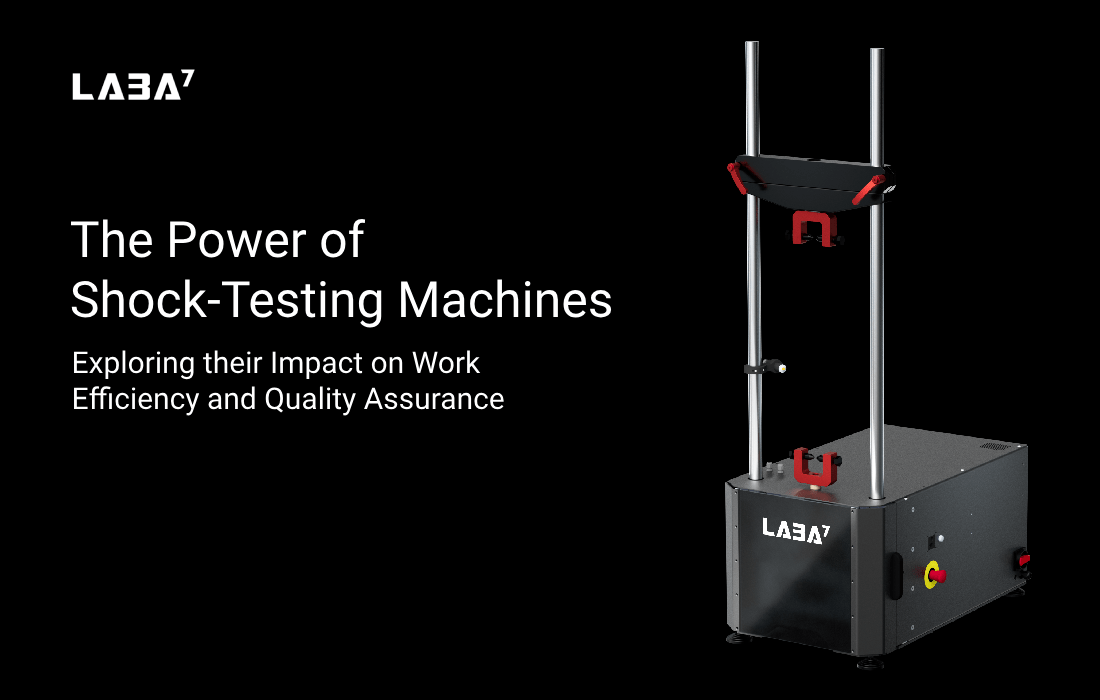
Staying ahead of the competition is crucial. With the constant need for improved work efficiency and quality assurance, even small workshops and race teams are turning to rigorous testing. One such solution is shock-testing machines (shock dynos), which have revolutionized how dampers are tested for durability and reliability.
These powerful machines subject shock absorbers to rigorous testing conditions, simulating real-life scenarios to ensure their performance. Shock testing machines are used by workshops, race teams, and manufacturers of dampers, forks, and coils to identify and rectify potential issues. This tool saves precious time and resources and enhances customer satisfaction and brand reputation.
In this article, we will dive deep into the world of shock testing machines, exploring why they are an indispensable tool for businesses striving for excellence.
Table of Contents:
- What Is a Shock-Testing Machine?
- Why Work Efficiency and Quality Assurance Matter
- Role in Quality Assurance
- How Shock Dynos Improve Work Efficiency
- Different Types of Shock Testing Machines and Their Applications
- Scotch-Yoke Shock Testing Machines
- Hydraulic Shock Testing Machines
- Electrodynamic Shock Testing Machines
- Crank Shock Testing Machines
- Choosing the Right Shock-Testing Machine
- Use Case & Capacity
- Accuracy, Repeatability & Safety
- Adapters & Future-Proofing
- Software, UX & Support
- Applications & Case Studies
- The Future and Potential Advancements
- Conclusion
- Frequently Asked Questions
- What is a shock test machine?
- What is shock test equipment used for?
- What is a shock absorber testing machine?
- What is mechanical shock test equipment?
- What tests can a shock dyno perform?
What Is a Shock-Testing Machine?
A shock-testing machine, commonly called a shock dyno, is a specialized piece of equipment designed to measure and analyze the performance characteristics of shock absorbers, forks, and coils. The machine cycles a damper through controlled compression and rebound strokes while measuring forces, velocities, and temperatures.
The resulting data is displayed as a force-velocity curve (or dyno graph), which reveals how the damper behaves under various conditions. This allows technicians, engineers, and tuners to evaluate damping rates, detect inconsistencies, compare units, and verify that a shock performs to its intended specifications.
Whether you’re validating a new design, diagnosing a customer complaint, or fine-tuning race suspension, a shock dyno provides the objective, repeatable data needed to make informed decisions.
Why Work Efficiency and Quality Assurance Matter
High-quality products and services are the foundation of any successful business.
Work efficiency ensures that tasks are completed in a timely manner, maximizing productivity and minimizing waste. When processes are streamlined and optimized, teams can produce more with less effort, reducing costs and increasing profitability.
Quality assurance, on the other hand, ensures that products meet the highest standards of performance, reliability, and safety. It involves various testing and inspection methods to identify any defects or issues before the products reach the hands of the customers.
By prioritizing work efficiency and quality assurance, teams can gain a competitive edge, build customer trust, and establish a strong brand reputation. This is where shock-testing machines come into play.
Role in Quality Assurance
We design shock-testing machines to simulate real-life scenarios and test shock absorbers, forks, and coils.
Shock dynos replicate the forces and impacts that dampers experience during their lifetime or during specific events, like races. They can simulate various scenarios, such as off-road driving, high-speed racing, or heavy-duty industrial applications. It helps to evaluate their durability, performance, and overall quality.
Additionally, manufacturers use shock testing machines to collect valuable data and insights that help improve their product designs. By analyzing the test results, manufacturers can identify areas for improvement, make necessary adjustments to the design, and enhance the overall performance and reliability of the shocks.
How Shock Dynos Improve Work Efficiency
In addition to ensuring product quality, shock testing machines also play a significant role in improving work efficiency.
Without a shock dyno, we couldn’t confidently determine if the damper is assembled correctly and if its parts are defect-free. Well, except for installing them on a vehicle and having a test ride. That is not an effective testing method – it requires additional labor, it is time-consuming, and it is not accurate.
One of our clients had an issue with the fork that was leaking during riding an enduro bike. They serviced it several times without success to fix it. After running it on our shock testing machine, they discovered that the body of the shock absorber had a micro crack that was detectable only when the damper reached certain temperatures.
If workshops would have used shock dyno, they could have identified the issue effortlessly saving their reputation, and the time and resources of a customer.
Moreover, shock dynos can perform tests one after another allowing workshops, race teams, and manufacturers to test and diagnose a larger number of shock absorbers in a shorter period. This not only saves time but also increases the overall productivity of the testing process.
Most importantly, shock testing machines provide objective and consistent test results. Unlike manual testing which can succumb to human error or bias, these machines adhere to predefined testing protocols and deliver accurate and reliable data.
Different Types of Shock Testing Machines and Their Applications
There are several types of shock testing machines available in the market, each of which has its pros and cons.
Let’s explore some of the most common types:
Scotch-Yoke Shock Testing Machines
As their name suggests, these dynos utilize a scotch-yoke mechanism to simulate suspension system forces. These dynos probably are the most popular. They are accurate, reliable, affordable, and versatile enough for suspension workshops, manufacturers, and racing teams. All LABA7 shock dynos are based on this design.
Hydraulic Shock Testing Machines
Hydraulic ones use hydraulic systems to generate controlled shock waves and vibrations. They are commonly used for testing shock absorbers used in industrial machinery, heavy-duty vehicles, and aerospace applications.
Electrodynamic Shock Testing Machines
These devices use magnetic fields to create managed forces, replicating real-life scenarios. They’re incredibly precise, enabling operators to imitate the exact forces dampers would encounter on specific tracks. At LABA7, we’re pioneering our own Electromagnetic Actuator Dyno — EMA. Get a glimpse of it on our Instagram post.
Crank Shock Testing Machines
This type of shock dyno is very similar to Scotch-Yoke Dyno. The biggest difference is that the damper is mounted directly to the crank which leads to vibrations, less balance, and most importantly, less accuracy.
Finding it hard to choose the right shock dyno for your business? Contact the LABA7 team, and we will help you pick the best shock dyno for you.
Choosing the Right Shock-Testing Machine
The right machine fits every application, and the wrong choice can limit your capabilities or strain your budget. Consider these four key factors before making a decision.
Use Case & Capacity
Before investing in a shock dyno, clearly define your primary use case. Are you a small workshop servicing mountain bike forks, a motorsport team testing automotive dampers, or a manufacturer running high-volume quality control?
Consider the footprint and stroke length of the dampers you’ll test most frequently. Ensure the machine’s capacity—maximum force output, stroke range, and velocity capabilities—matches or exceeds your requirements. A dyno that can’t replicate real-world forces will provide incomplete data, while an oversized machine may be an unnecessary expense.
Accuracy, Repeatability & Safety
Accuracy and repeatability are the cornerstones of meaningful test data. Look for machines with high-resolution sensors, rigid construction, and minimal mechanical play. A quality shock dyno should produce nearly identical results when the same damper is tested multiple times under the same conditions.
Safety features are equally important. Protective enclosures, emergency stop mechanisms, and overload protection safeguard both the operator and the equipment. Never compromise on safety to save costs.
Adapters & Future-Proofing
Shock absorbers come in countless configurations—different eye sizes, mounting styles, and lengths. Ensure your chosen dyno offers a comprehensive adapter kit or the flexibility to accommodate custom fixtures.
Think about future growth as well. Will you expand into new markets or test different product categories? A modular, upgradeable platform protects your investment and adapts as your business evolves.
Software, UX & Support
The hardware is only half the equation. Intuitive, powerful software transforms raw data into actionable insights. Look for features like real-time graphing, overlay comparisons, automated test sequences, and exportable reports.
User experience matters, especially if multiple technicians will operate the machine. A steep learning curve slows productivity and increases the risk of errors.
Finally, evaluate the manufacturer’s support: responsive customer service, software updates, and training resources can make a significant difference in long-term satisfaction.
Applications & Case Studies
To understand the real impact of shock testing machines on work efficiency and quality assurance, let’s explore some examples:
- Vehicle Manufacturers: For those who specialize in the creation of niche, bespoke cars, motorcycles, or bicycles, it is crucial to convey the magical driving experience. That’s why we must perfect the suspension and fine-tune the shock absorbers to meet each vehicle’s unique specifications and the customer’s demands. When a vehicle is custom-built, it’s necessary to ensure that every component, including the shock absorbers, meets the highest quality standards.
- Shock Absorber Manufacturers: Rigorous testing and quality control are paramount in the development phase. Manufacturers need to assess the reliability of their products and identify any potential weak points to maintain the trust of their consumers.
- Workshops: For suspension workshops, client satisfaction is the bedrock of their reputation. To prevent misunderstandings, test the shock absorbers with a shock-testing machine before giving them to customers. This way, the client knows the damper meets specific specifications, and workshop owners can prove they’ve completed the repairs thoroughly. This is especially true after significant overhauls or rebuilds.
- Race Teams: As competitions approach, teams carefully prepare by fine-tuning their vehicles’ suspension. Technicians customize according to each rider’s or driver’s specific preferences to ensure optimal performance during the race.
These case studies demonstrate the benefits of shock-testing machines in various industries.
The Future of and Potential Advancements
As technology continues to advance, the future of shock-testing machines looks promising.
Here are some potential advancements to look forward to:
- Advanced Testing Capabilities. Future shock testing machines may incorporate advanced testing capabilities, such as artificial intelligence. We don’t think this will happen in the next couple of years but it will eventually. This will enable manufacturers, race teams, and workshops to gain even deeper insights into diagnostics and product performance. Imagine running a test, and the shock dyno shows which parts of the shock absorber are faulty and which areas need improvement.
- Improved Durability and Reliability. Although current shock-testing machines are advanced, we believe other manufacturers will follow LABA7’s lead and continue enhancing the durability and reliability of shock-testing machines.
- Enhanced User Experience. Well, in this case, the future has already arrived for the customers of LABA7. We design all our products to be user-friendly, and intuitive, and to provide real-time feedback. We estimate that at some point other players in the market will start including these features, too.
Conclusion
Shock-testing machines have become an essential tool for anyone serious about suspension performance—whether you’re a workshop owner, a race team engineer, or a damper manufacturer. By providing objective, repeatable data, these machines eliminate guesswork, reduce costly errors, and ensure every shock absorber leaving your facility meets the highest standards.
Investing in the right shock dyno improves work efficiency, strengthens quality assurance, and ultimately enhances your reputation in a competitive market. As technology continues to evolve, shock dynos will only become more capable, offering deeper insights and greater ease of use.
Ready to elevate your testing capabilities? Explore LABA7’s range of shock-testing machines and discover how we can help you achieve excellence.
Frequently Asked Questions
What is a shock test machine?
A shock test machine, or shock dyno, is equipment that measures the damping characteristics of shock absorbers by cycling them through controlled strokes and recording force, velocity, and displacement data.
What is shock test equipment used for?
Shock test equipment is used to evaluate, diagnose, and validate shock absorbers. It helps workshops verify repairs, allows manufacturers to maintain quality control, and enables race teams to fine-tune suspension setups for optimal performance.
What is a shock absorber testing machine?
A shock absorber testing machine is another term for a shock dyno. It subjects dampers to simulated real-world conditions and generates performance graphs that reveal how the unit behaves across its operating range.
What is mechanical shock test equipment?
Mechanical shock test equipment refers to dynos that use mechanical means—such as a scotch-yoke or crank mechanism—to generate linear motion. These systems are widely used for their reliability, accuracy, and cost-effectiveness.
What tests can a shock dyno perform?
A shock dyno can perform velocity sweeps, frequency response tests, temperature sensitivity analysis, and endurance cycling. These tests help identify damping curves, detect faults like cavitation or seal leaks, and compare multiple units for consistency.
—
If you liked this article, you might like these as well: