
In this article, we’ll delve into how to bleed shocks and explain the manual and automatic bleeding process in a simple step-by-step guide.
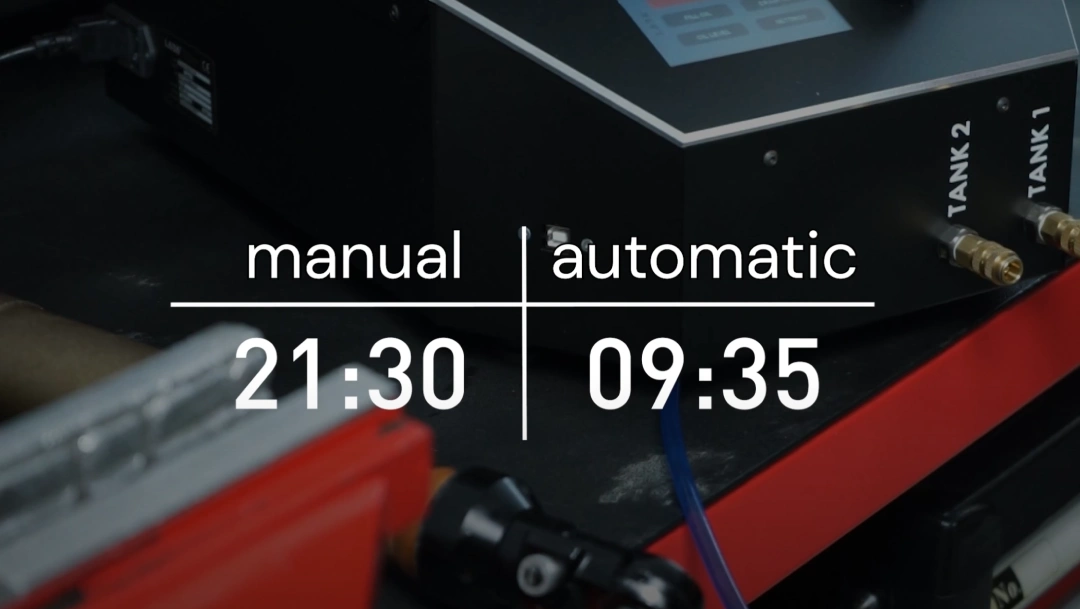
Bleeding a shock with an automatic vacuum bleed pump couldn’t be more hassle-free and reliable. In contrast, manually bleeding a shock is the most challenging task for suspension workshops. It is time-consuming, messy, and easy to make mistakes.
Whether you prefer manual or automatic methods, knowing the differences between the two can help you decide on the best approach for your vehicle.
Don’t want to read? Visit our YouTube channel:
Table of contents:
- Manual shock bleeding process
- Automatic shock bleeding process
- Manual vs Automatic shock bleeding
- Which method is best for bleeding shocks?
Manual Shock Bleeding Process
When it comes to old-school manual shock bleeding, you have full control over the process. Which, in this case, is a bad thing. You are fully dependent on your skills and have no safety nets to protect you in case you make a mistake.
Even if you are professional, it is very hard not to leave some air bubbles or not introduce it back to the shock when assembling the compression adjuster on the final step. Not to mention leaving a mess after the bleeding.
In the section below, we will cover all the steps needed to bleed shocks manually (by hand).
Tools Required for Manual (By-hand) Shock Bleeding Process
- Mallet
- Bleed cup
- Allen key/Socket wrench
Step-by-Step Manual Bleeding Guide
Manually bleeding a shock absorber requires many time-consuming steps.
- Begin by bleeding the bladder reservoir to ensure there are no air bubbles caught in the container.
- Next, ensure there are no air pockets trapped on the piston. That includes between the shims, on the piston ports, and between the piston and piston band.
- The next step is to remove air from the compression shim stack, which can take a long time and requires you to stop and let the air bubble aggregate and rise on top and even give some taps to break the bubbles free. It’s a cumbersome and demanding task that requires full focus to make sure there is no air remaining.
- Once the piston is bled, you have to make sure the seal head is inserted without any air bubbles as well, making you spill and waste oil.
- The final step of manual bleeding involves bleeding the shock body to remove air bubbles on the rebound shim stack. With excess oil, things can get messy at this stage.
Only now can you be sure that the shock is properly bled. If you are a home tuner, bleeding can be even more challenging.
Automatic Shock Bleeding Process
After you have learned all the steps for manually bleeding dampers, you will be pleasantly surprised to find that the automatic shock bleeding process is a game-changer. This system efficiently removes any built-up air or gas within the shocks and ensures your shocks are functioning at optimal levels. Say goodbye to old-school bleeding methods for good.
Tools Required for Automatic Bleeding
Apart from basic tools and adapters, you only need an automatic bleed machine. The machine handles all the complex vacuum and pressure cycles automatically, eliminating the need for specialized bleeding cups, mallets, or the extensive cleanup supplies required for manual methods.
The Simple Automatic Bleeding Process
With the automatic vacuum bleed pump, simply attach the adapter, connect the oil hose, and initiate the bleeding program with a few clicks.
That is it.
While the LABA7 vacuum pump is doing its work, you can relax and wait for the vacuum and pressure cycles to finish while enjoying a cup of coffee.
Manual vs Automatic Shock Bleeding: Pros and Cons
Advantages and Disadvantages of Manual Shock Bleeding
Advantages:
- You are in full control of the quality of the process.
Disadvantages:
- The end quality is dependent on your skills and methods.
- Easy to make mistakes.
- Messy process.
- Time consuming.
Advantages and Disadvantages of Automatic Shock Vacuum Bleeding
Advantages:
- Fail-proof process.
- Adjustable for all types of shocks and fork cartridges.
- Clean bleeding.
- Automatic vacuum bleed machines service shocks much faster.
- A suspension vacuum bleed machine can bleed several types of shocks.
- The automatic bleed machine can bleed more than one damper at a time.
- A perfect shock refill is guaranteed every time.
Disadvantages:
- Pricier than a manual setup.
Which Method is Best for Bleeding Shocks?
For suspension bleeding, the automatic method is the clear winner. It delivers superior results with better consistency, speed, and reliability compared to manual bleeding. While manual methods may work for occasional home use, professional shops and serious enthusiasts should invest in automatic vacuum bleed equipment.
Factors to Consider
Try learning as much as possible about different types of bleeding machines. We wrote an ultimate guide about suspension vacuum bleed machines. You can start by reading it.
Also, consider learning more about LABA7 vacuum bleed pumps. A range of three automatic LABA7 shock vacuum machines can accommodate the needs of any professional.
Why shock vacuum pump is necessary?
Servicing shocks is not merely a matter of maintenance but a crucial aspect of ensuring both vehicle safety and performance.
Over time, shock absorbers undergo wear and tear due to constant exposure to varying road conditions, temperature fluctuations, and vehicle weight. This wear leads to diminished damping capabilities, resulting in reduced stability, increased braking distances, and compromised handling.
Regular servicing provides an opportunity to replenish shock fluid and seals, preventing leaks and maintaining consistent damping characteristics.
Neglecting service shocks not only compromises ride quality but also poses significant safety risks, as compromised damping can impair the vehicle’s ability to respond effectively to road irregularities and maintain control in emergency maneuvers.
Our Recommendations
The automatic LABA7 vacuum bleed machine allows you to focus your time and attention on the details that matter, like doubling down on other shocks during the bleeding process, while the machine provides a consistent and reliable shock refill, every time!
And we’re not even considering the amount of oil you can save over the year or the consumables you don’t spend during the messy manual process, which is done just by hand.
FAQ on How To Bleed Shocks
What is shock bleeding, and why is it necessary?
Shock bleeding is the process of removing air bubbles from the shock absorber’s internal components and oil. It’s necessary because trapped air reduces damping performance, causes inconsistent suspension behavior, and can lead to premature wear. Proper bleeding ensures optimal shock performance and vehicle safety.
How do I know my shocks need bleeding?
Signs your shocks need bleeding include inconsistent damping, unusual noises during compression, reduced ride quality, or after any shock service where the unit was opened, and oil was replaced. If you’ve just rebuilt or serviced your shocks, bleeding is always required.
Manual vs automatic shock bleeding, which should I choose?
Choose automatic bleeding if you’re a professional shop or frequently service shocks—it’s faster, cleaner, and delivers consistent results every time. Manual (by hand) bleeding works for occasional home use if you’re on a tight budget, but it’s time-consuming, messy, and requires significant skill to avoid mistakes.
Can one vacuum bleed machine handle different shock types?
Yes, quality vacuum bleed machines like LABA7 models can handle various shock types and fork cartridges. They use different adapters and adjustable programs to accommodate different shock designs, making them versatile tools for professional suspension workshops.
You also might like these articles: